Antidote
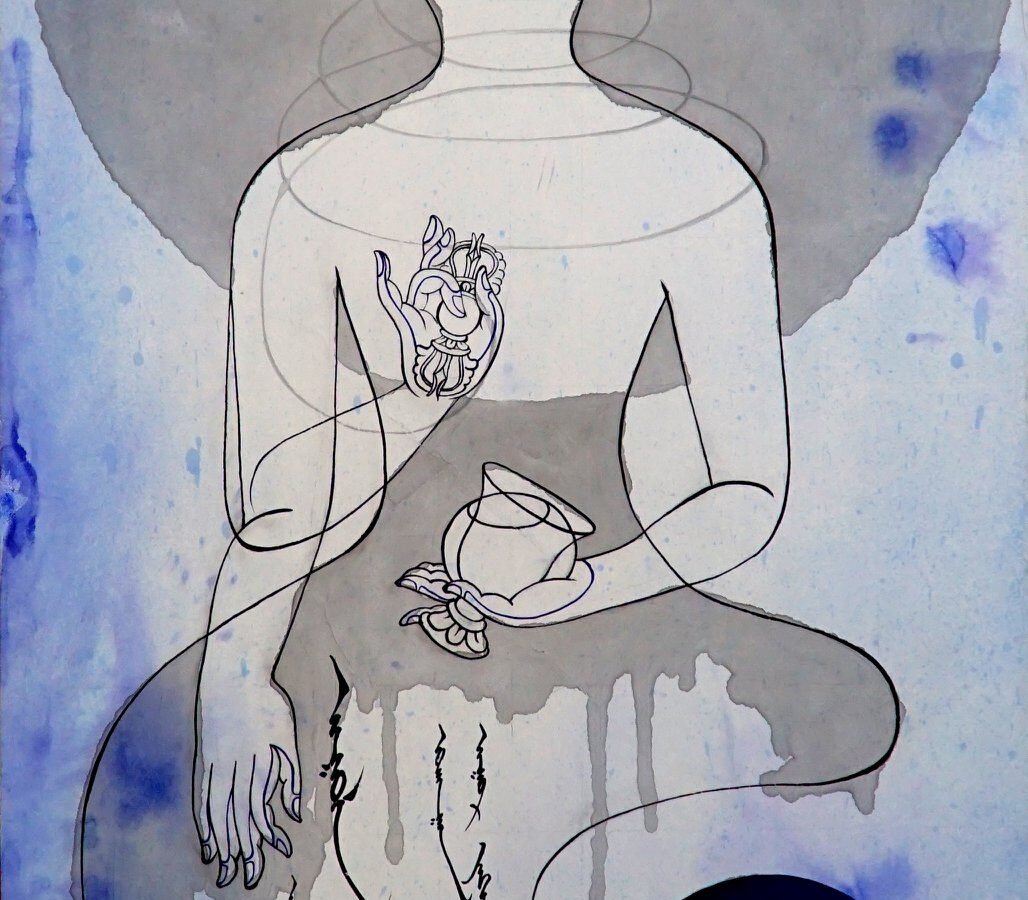
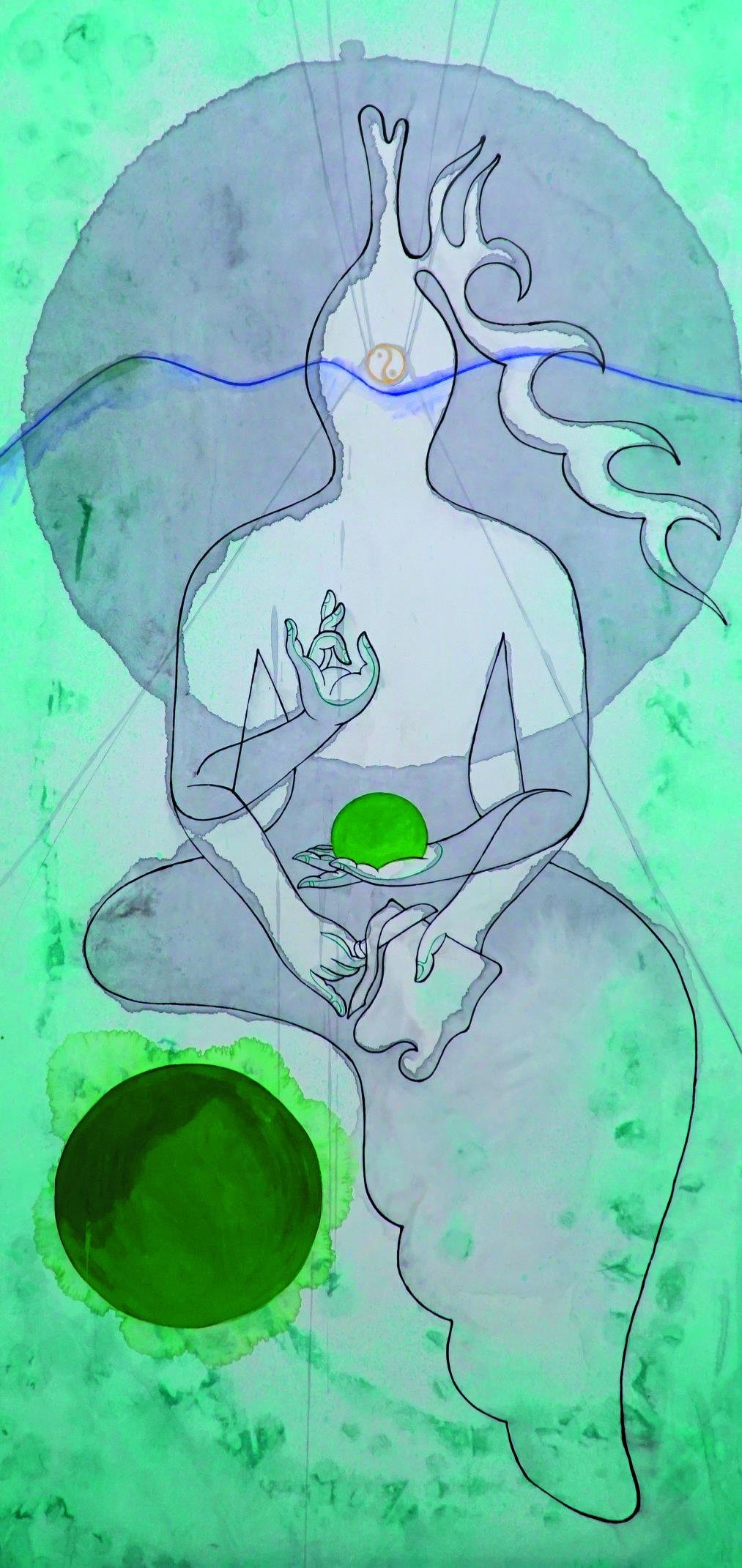
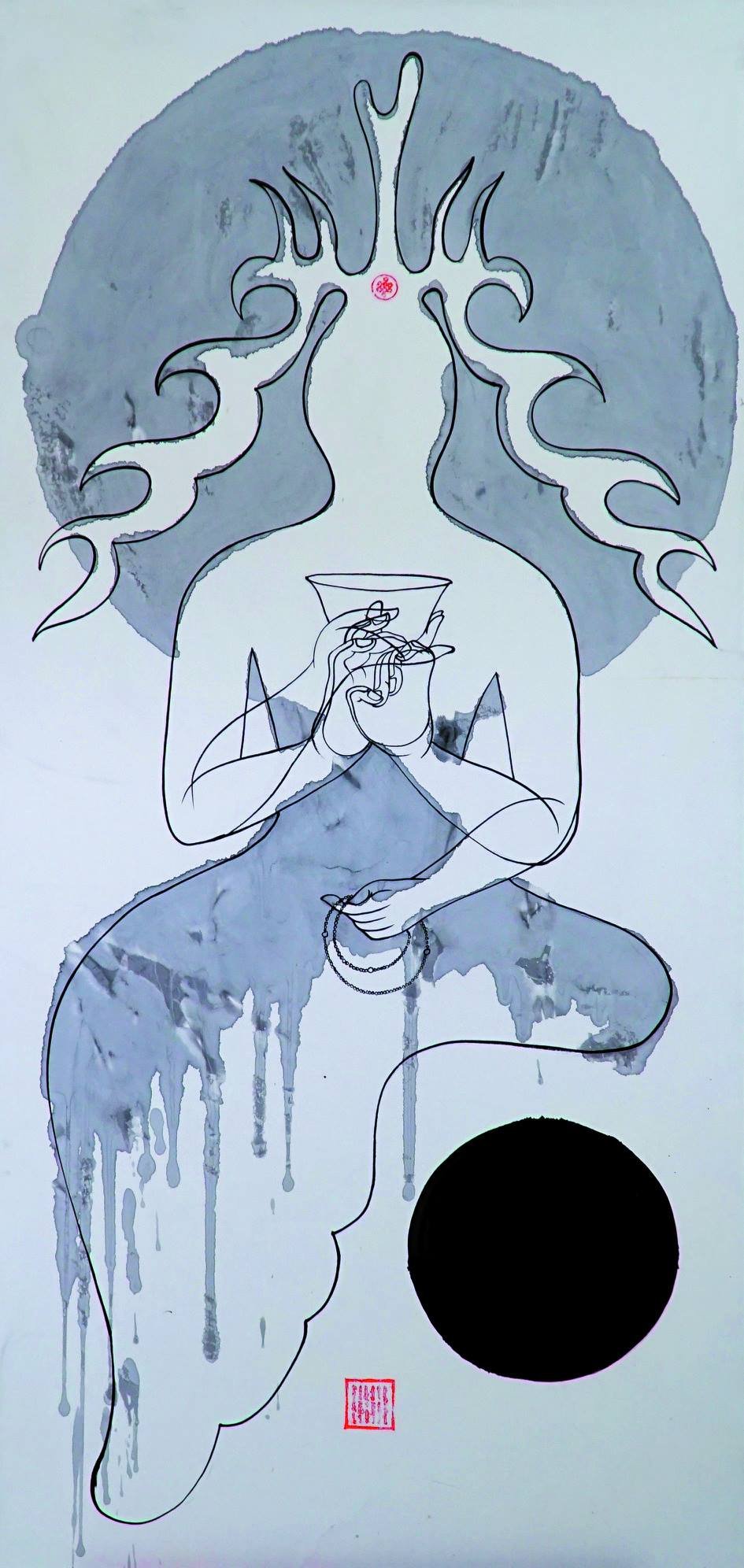
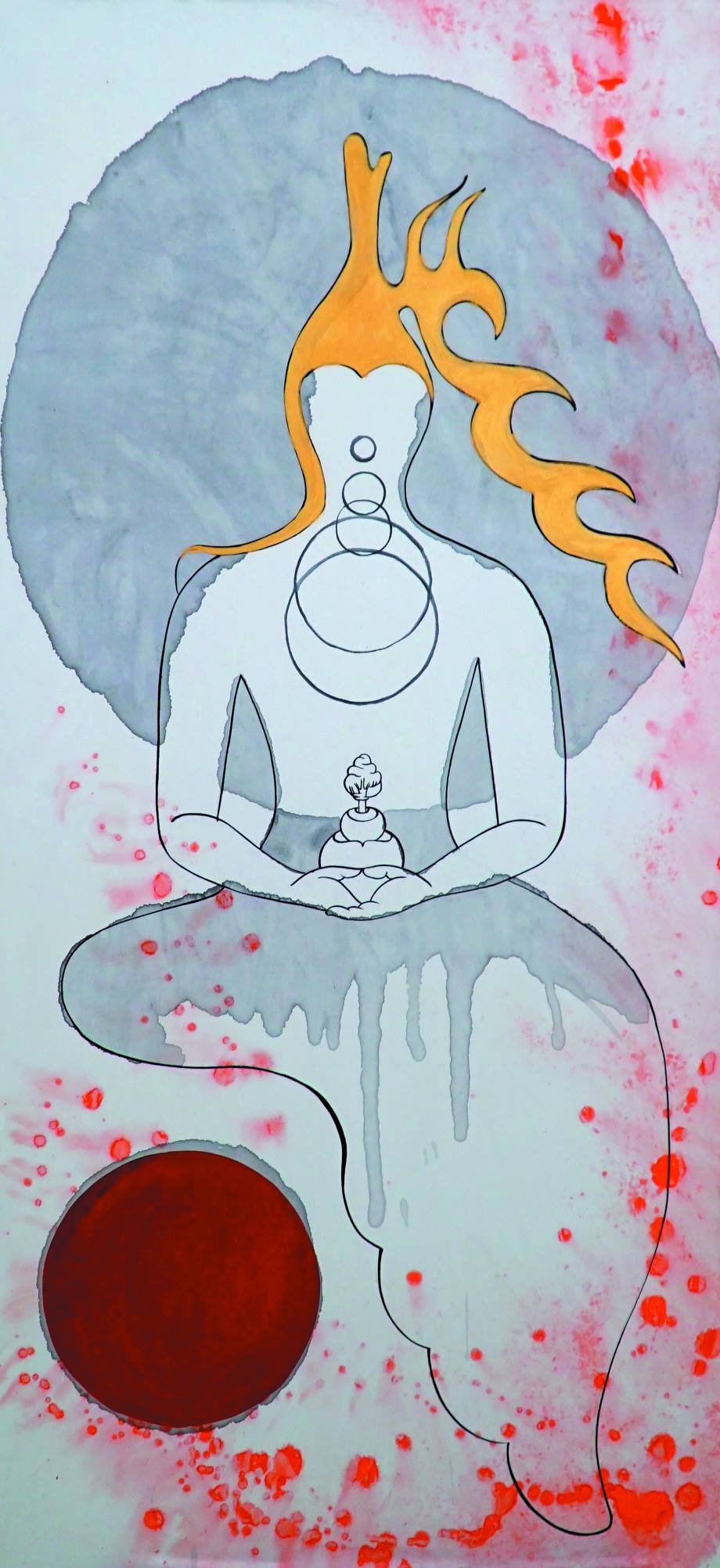
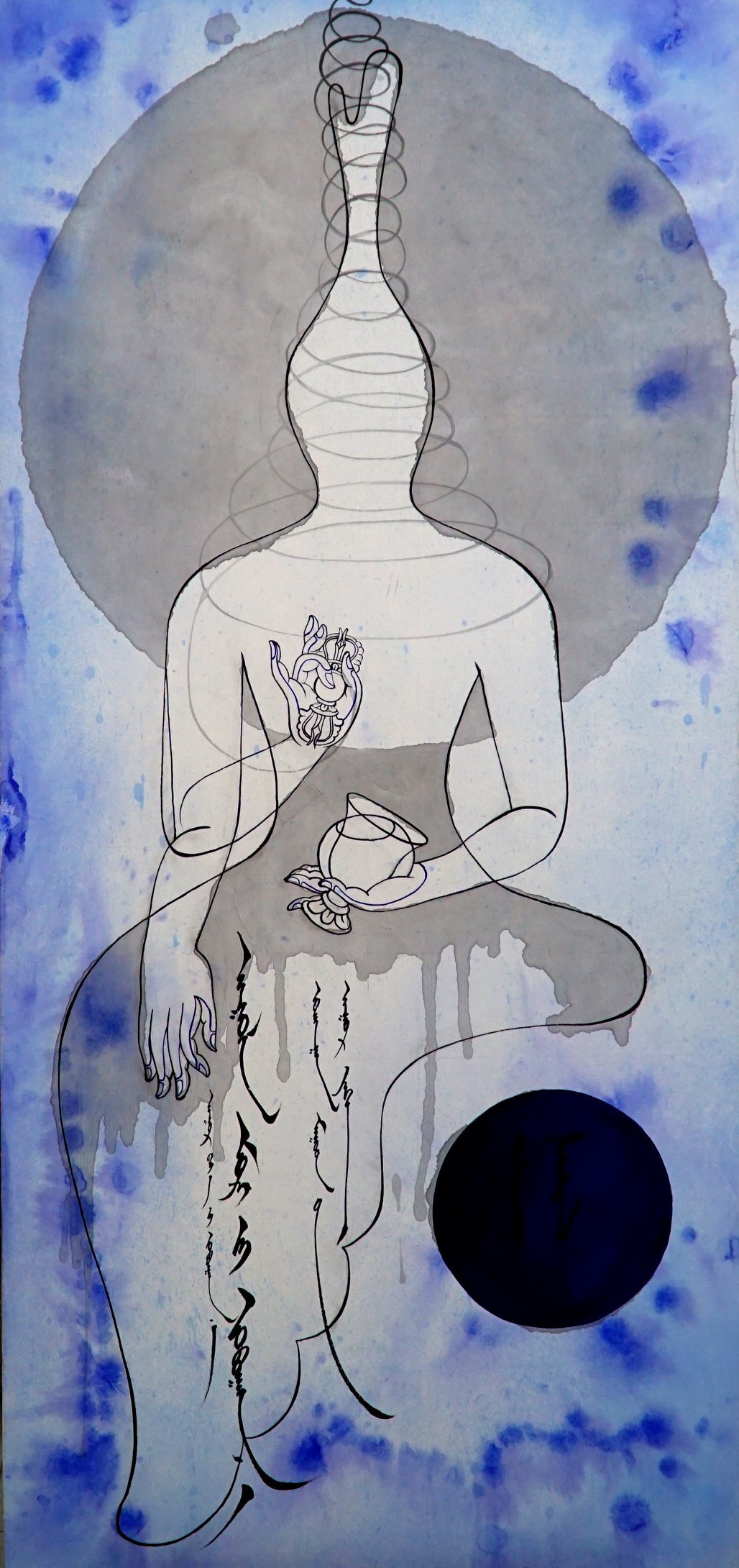
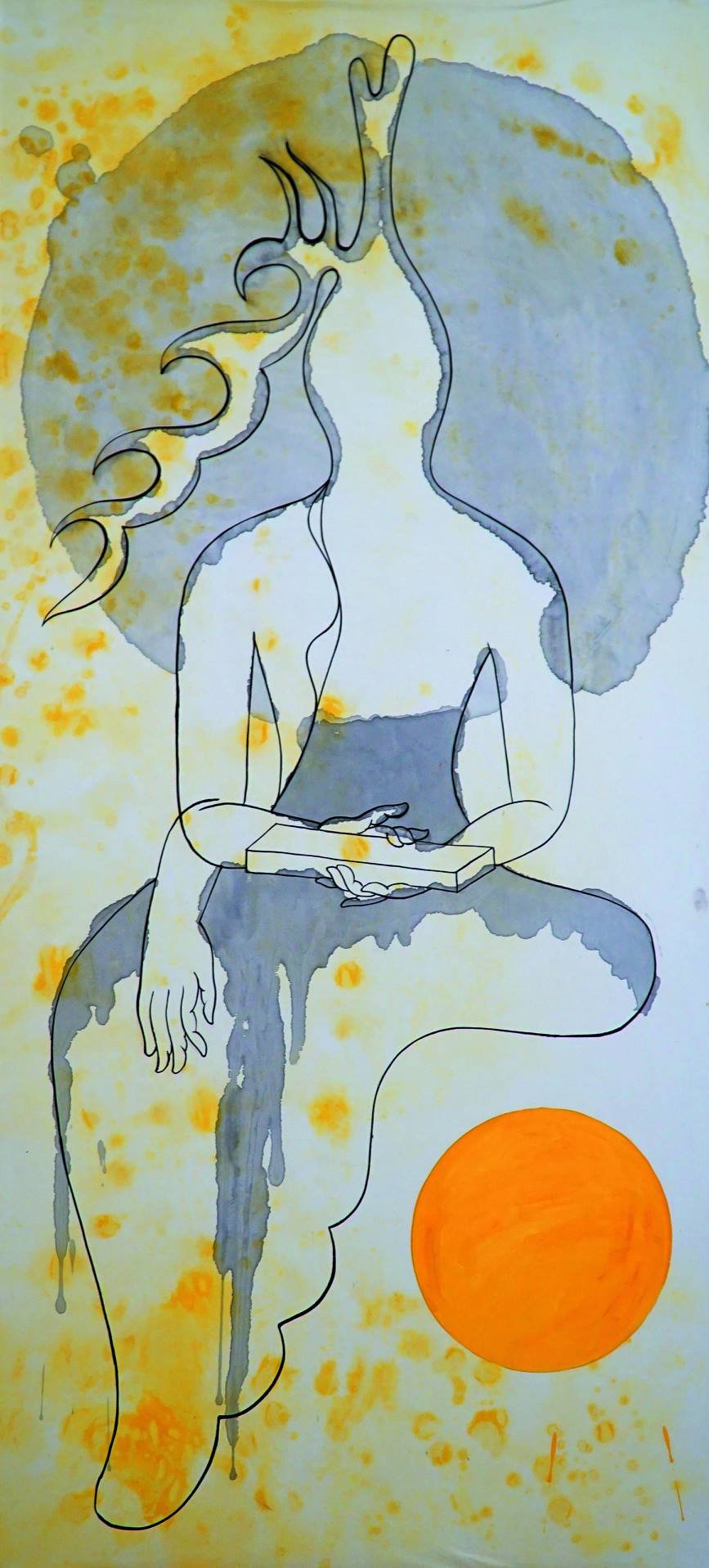
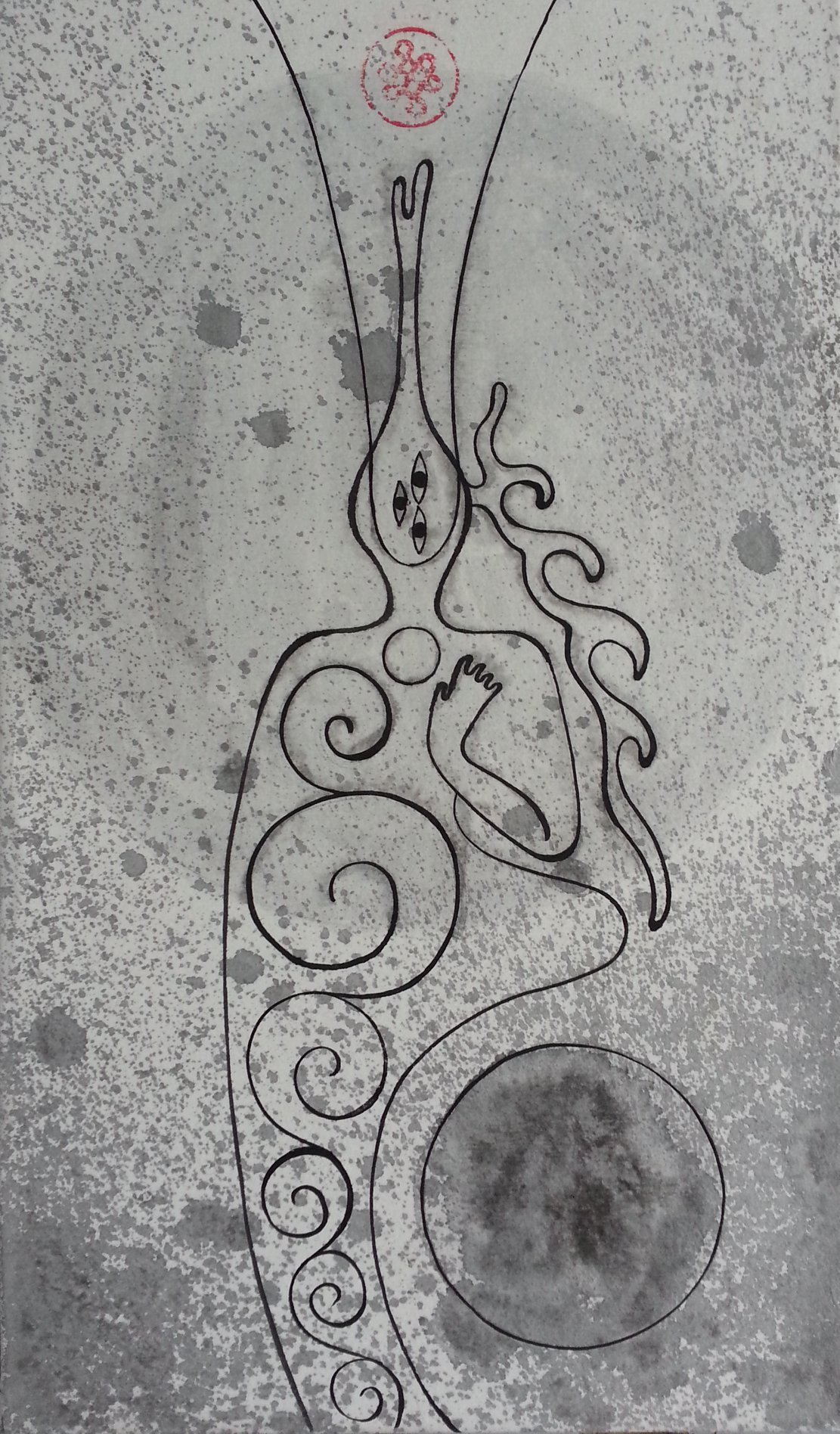
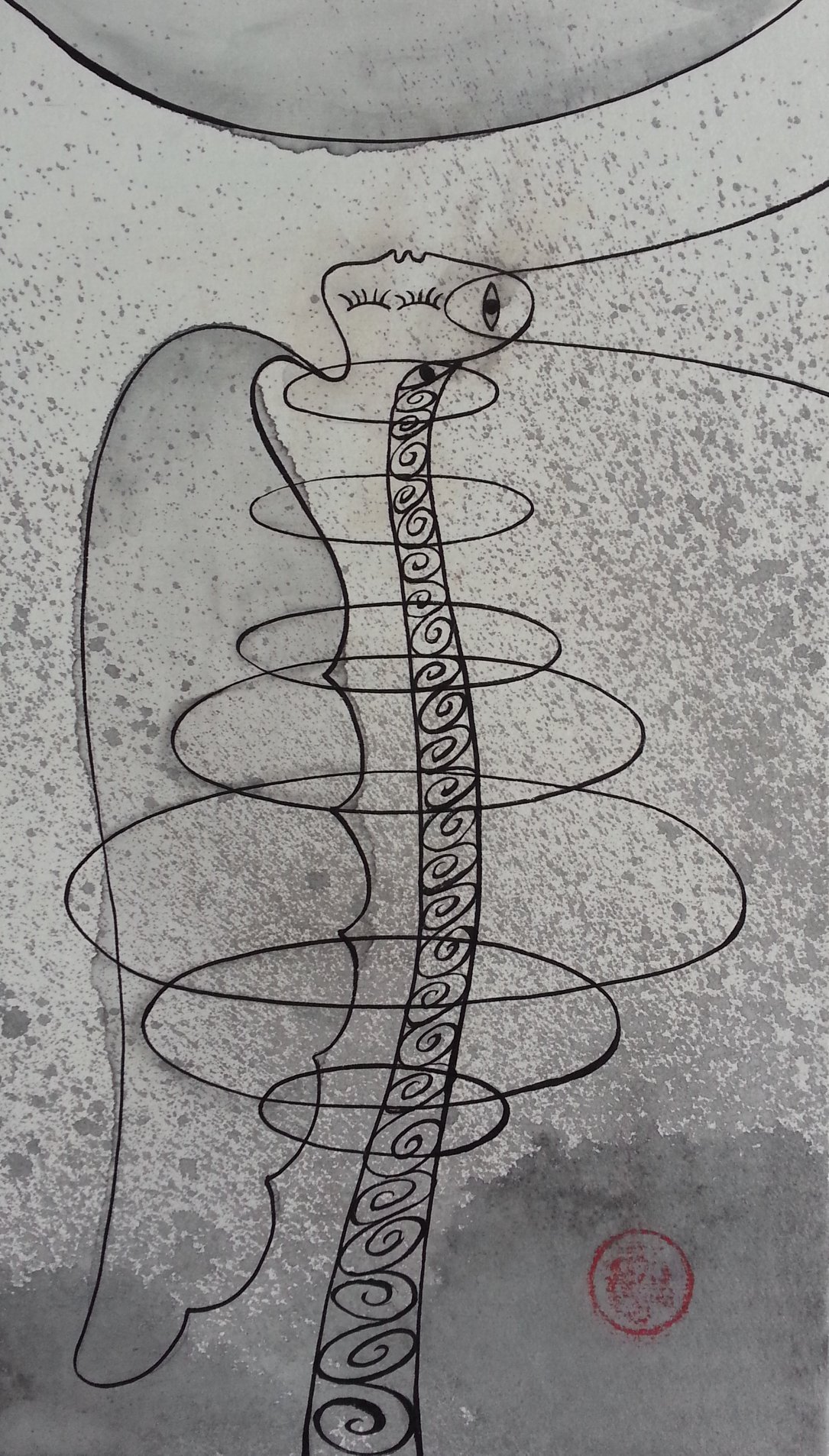
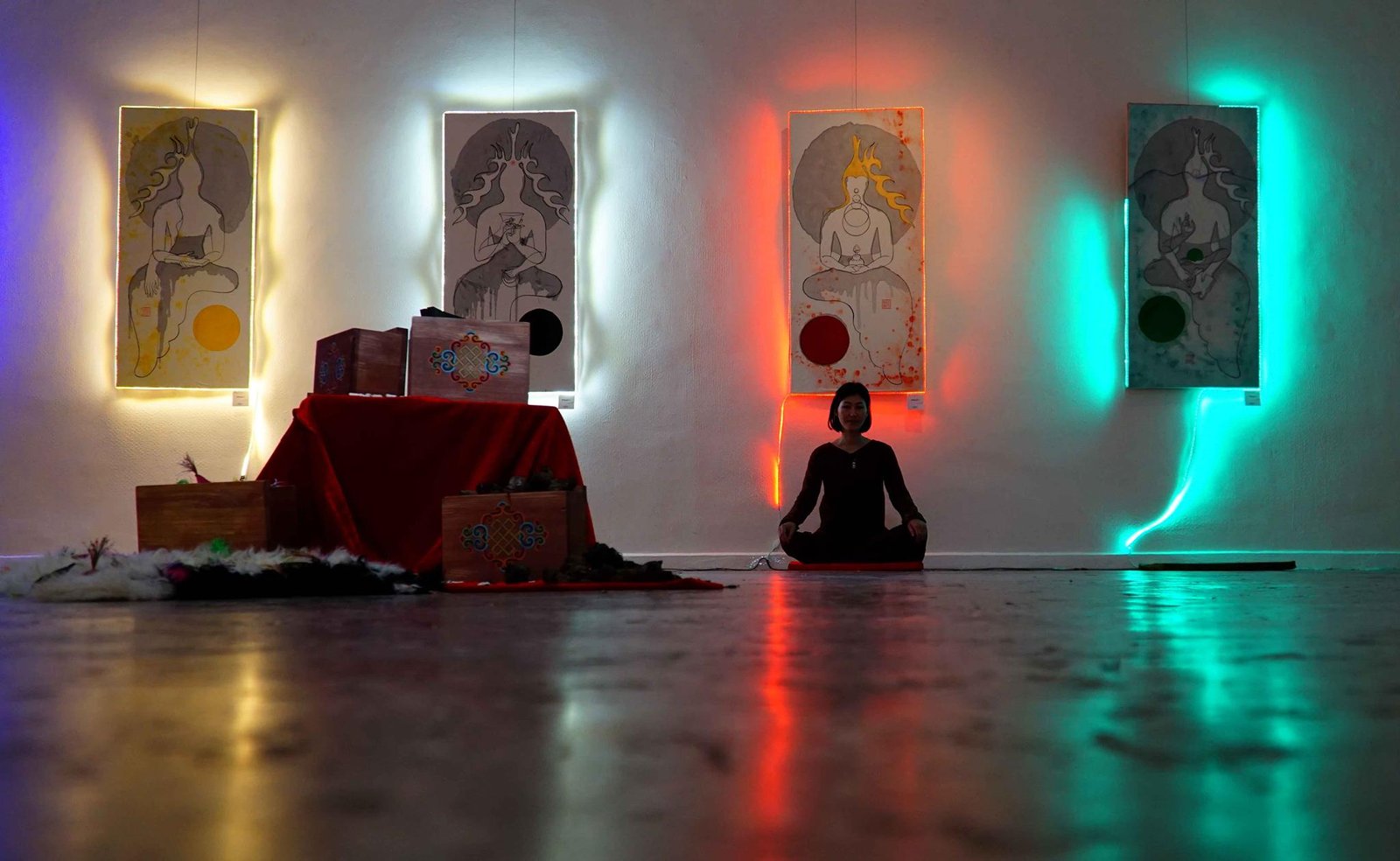
Every human has five wishes. We everyday choose how to wish. It’s wisdom nature. Composition base wrathful deity’s offering from Tanka painting. “We are dealing with the world by sense of the see, hear, taste, smell, and touch. The wishes of all five souls are to cultivate the intelligence or intelligence of man based on the data obtained from these five wishes.
It is not interpretation, let the audience listen to you and work with you and reflect on what is happening in your daily life, and let the deities of The Five Dhyani Buddhas create with the wisdom you have created.”
The five Buddhas are Aksobhya, Amitabha, Amoghasiddhi, Ratnasaṃbhava, and Vairocana. Each represents a different aspect of enlightened consciousness to aid in spiritual transformation.
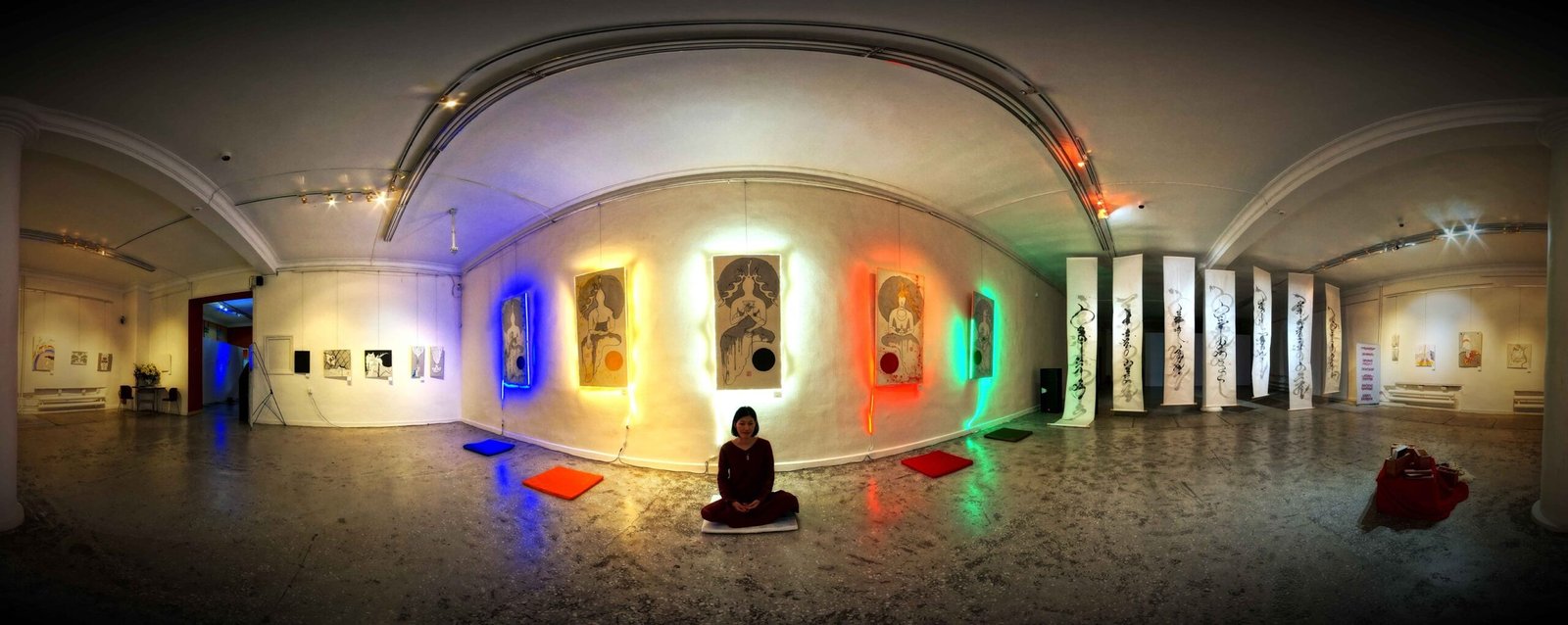
Often in Vajrayana art, they are arranged in a mandala, with Vairocana in the center. The other Buddhas are depicted in each of the four directions (north, south, east, and west).
Each Dhyani Buddha has a specific color and symbol which represent his meanings and the purpose for meditating on him. Mudras, or hand gestures, are also used in Buddhist art to distinguish one Buddha from another and convey the appropriate teaching.
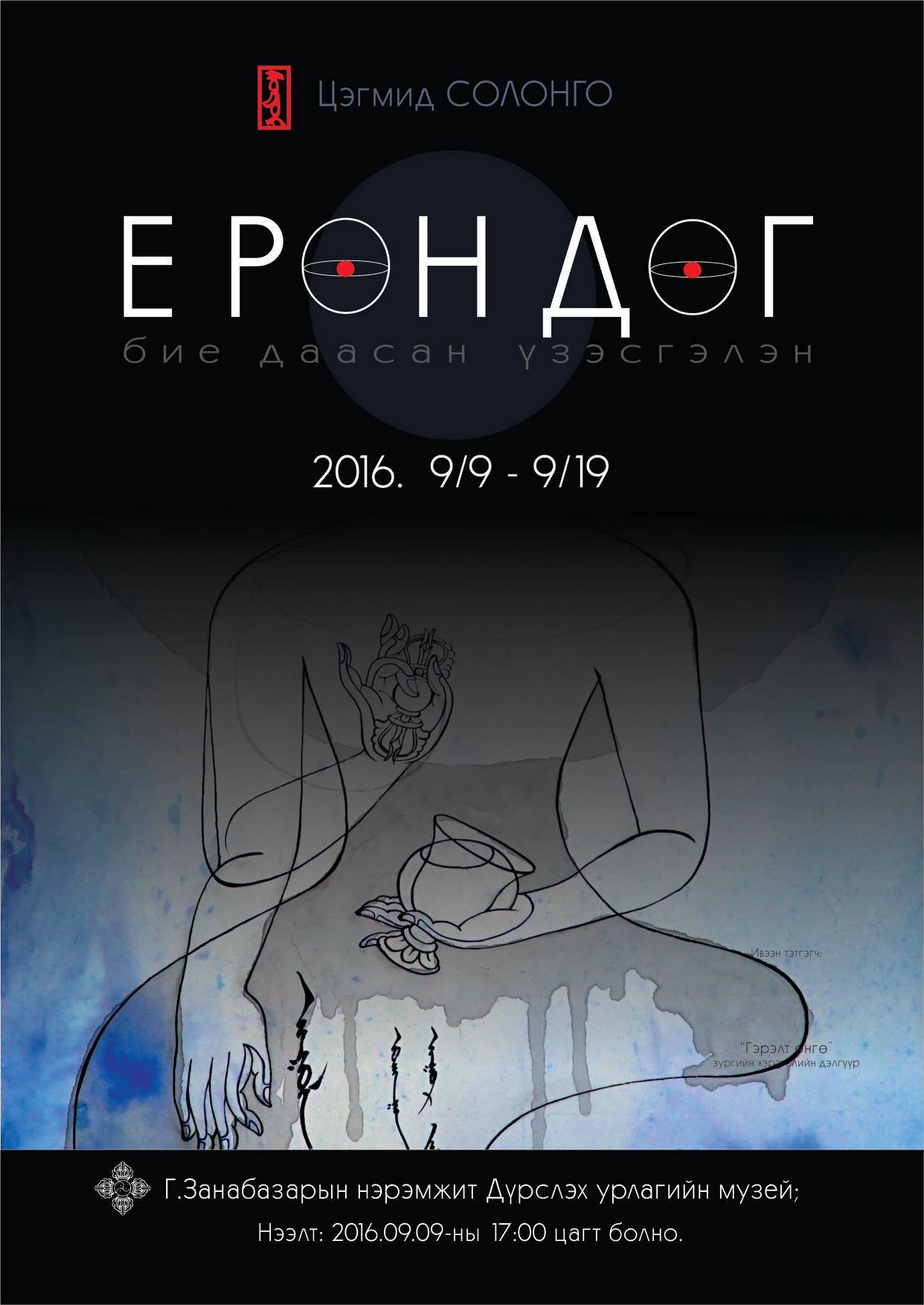
These works are from the Antidote (Yröndög) solo exhibition held in 2016. Based on research of the orally transmitted cultural heritage of nomads, the exhibition explored traditional healing practices aimed at remedying the five ‘poisons’ affecting the human soul.